


How Long Do Dermal Fillers Last? Longevity, Maintenance & Treatment Planning
- laurenbarrett6
- Apr 13
- 6 min read

Dermal fillers are widely used to restore volume, enhance facial contours, and support a youthful appearance. One of the most common questions patients ask is how long do fillers last. Understanding filler longevity is important for planning treatments and maintaining consistent results. The duration of dermal fillers varies based on several factors including the treatment area and the type of product used. A well planned approach helps maintain natural looking results over time. With the right maintenance strategy, fillers can become a reliable part of long term aesthetic care.
What Are Dermal Fillers and How Do They Work?
Dermal fillers are injectable treatments designed to add volume beneath the skin. They are commonly made from substances like hyaluronic acid, which naturally occurs in the body. These fillers help smooth lines, restore lost volume, and enhance facial structure. The treatment is minimally invasive and offers gradual, natural looking results. Fillers are often used in areas such as the lips, cheeks, and under the eyes. Their flexibility makes them suitable for a wide range of aesthetic goals.
Understanding the Composition of Dermal Fillers
The composition of dermal fillers plays a key role in how long they last and how they perform. Hyaluronic acid based fillers are the most commonly used due to their compatibility with the body. These fillers attract moisture and help maintain skin hydration. Different formulations are designed for specific areas of the face. Some are softer for delicate areas, while others are firmer for structural support. This variation allows for customized treatment plans.
How Fillers Add Volume and Structure to the Face
Fillers restore lost volume beneath the skin
They enhance natural facial contours
Help smooth out fine lines and wrinkles
Improve overall facial balance
Support a refreshed and youthful appearance
How Long Do Fillers Last in Different Areas of the Face?
The longevity of dermal fillers varies depending on the area treated. Some areas experience more movement, which can affect how quickly the filler breaks down. Understanding these differences helps set realistic expectations. Each treatment area has its own timeline for maintenance. Proper planning ensures consistent and balanced results. Patients benefit from knowing when to schedule follow up treatments.
Lip Fillers Duration
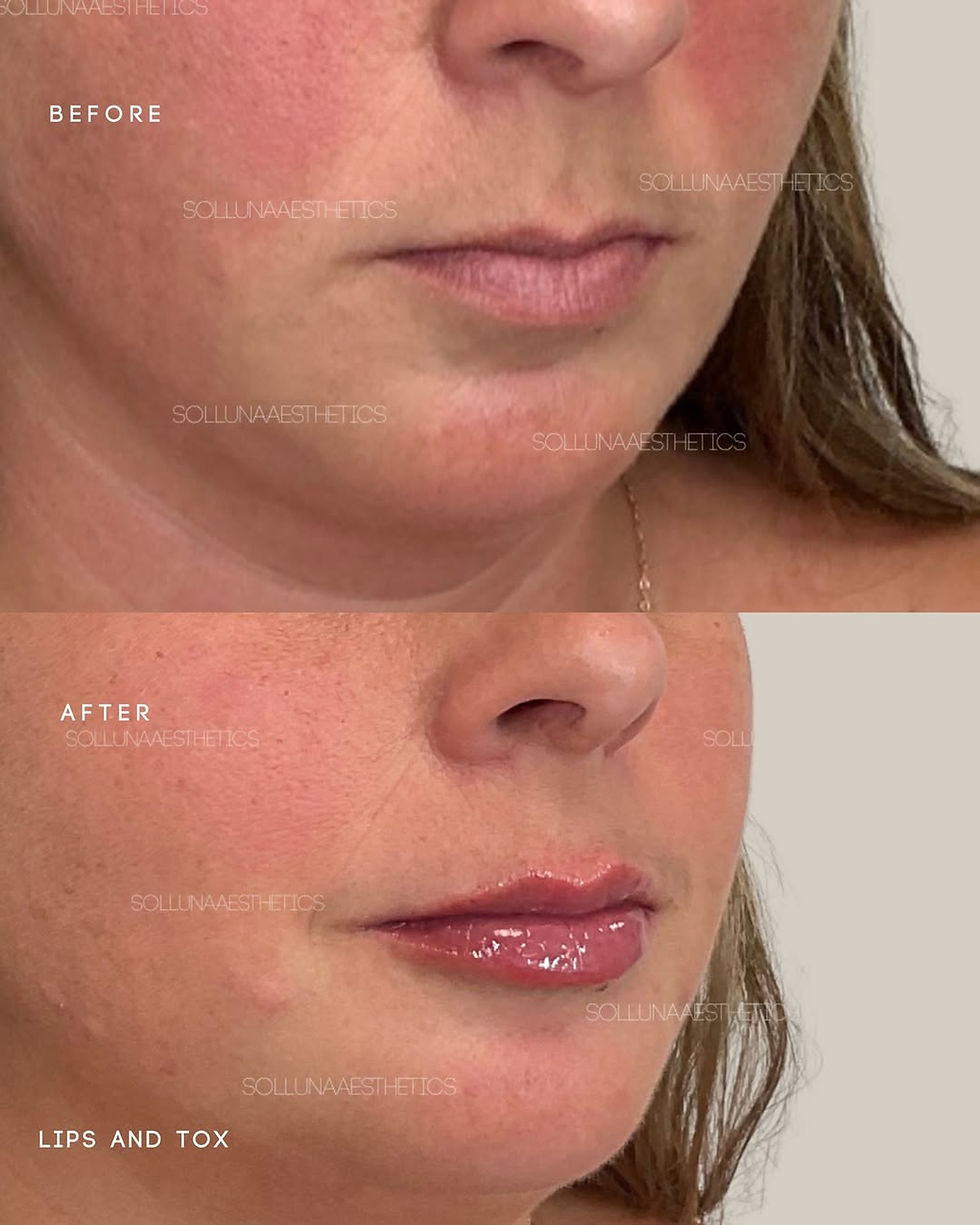
Lip fillers typically last between six to twelve months. The lips are a high movement area, which can lead to faster breakdown of the filler. Regular touch ups help maintain volume and shape. Hydration and proper care can also influence results. Consistency is key to achieving long lasting outcomes.
Cheek Fillers Longevity
Cheek fillers can last from twelve to eighteen months
The area has less movement compared to lips
Provides structural support and lift
Ideal for long term volume restoration
Consider cheek filler treatment in Boca Raton for targeted results
Under Eye and Jawline Fillers Timeline
Fillers in the under eye and jawline areas tend to last longer due to reduced movement. These areas may retain results for up to eighteen months or more. The density of the filler used also plays a role. Proper placement ensures natural and balanced outcomes. Regular assessments help maintain the desired look.
Factors That Affect Filler Longevity
Several factors influence how long dermal fillers last. These include individual body responses, lifestyle habits, and the type of filler used. Understanding these factors helps in creating a personalized treatment plan. Patients can take steps to extend the life of their fillers. A proactive approach supports better results over time.
Metabolism and Body Response
Each individual metabolizes fillers at a different rate. A faster metabolism may break down fillers more quickly. This can shorten the duration of results. Slower metabolism may help fillers last longer. These variations are normal and should be considered during treatment planning.
Type of Filler Used
Different formulations have varying longevity
Thicker fillers last longer in structural areas
Softer fillers are used for delicate regions
Product quality affects overall performance
Professional selection ensures optimal results
Lifestyle and Skincare Habits
Lifestyle choices play a significant role in filler longevity. Sun exposure, hydration, and skincare routines all impact results. A consistent skincare regimen helps maintain skin quality. Protecting the skin from environmental damage is essential. Healthy habits contribute to longer lasting outcomes.
Signs That Your Fillers Are Wearing Off
Recognizing when fillers are wearing off helps maintain a consistent appearance. Changes occur gradually and may not be immediately noticeable. Regular monitoring allows for timely touch ups. This prevents sudden changes in facial volume. Awareness of these signs supports better treatment planning.
Gradual Volume Loss
Volume loss is one of the first signs that fillers are fading. The treated area may appear less full over time. This change happens slowly and naturally. Early detection allows for subtle adjustments. Maintaining volume helps preserve facial balance.
Changes in Facial Contours
Reduced definition in treated areas
Softening of previously enhanced features
Slight return of fine lines
Less structural support
Need for maintenance treatments
When to Consider a Touch Up
Touch ups should be planned based on individual needs and treatment areas. Regular consultations help determine the right timing. Maintaining results requires consistency rather than waiting for complete fading. A proactive approach ensures natural looking outcomes.
Dermal Filler Maintenance: How to Extend Results
Maintaining dermal filler results involves a combination of professional care and daily habits. Regular follow ups help monitor progress and adjust treatments as needed. Skincare plays a crucial role in preserving results. A well rounded approach supports long term benefits. Consistency is key to achieving lasting outcomes.
Importance of Regular Follow Ups
Helps track filler performance
Allows timely adjustments
Maintains consistent appearance
Prevents overcorrection
Supports long term planning
Skincare and Sun Protection
Proper skincare enhances the longevity of dermal fillers. Hydration helps maintain skin elasticity and appearance. Sun protection reduces damage that can affect filler results. Using quality skincare products supports overall skin health. A consistent routine is essential for maintaining results.
Healthy Lifestyle Habits
Lifestyle choices such as balanced nutrition and hydration contribute to better outcomes. Avoiding excessive sun exposure helps preserve skin quality. Consistent habits support the effectiveness of treatments. A holistic approach enhances overall results.
Treatment Planning for Long Term Results
A structured treatment plan is essential for maintaining dermal filler results. Planning helps ensure balanced and natural looking outcomes. It also prevents overuse of fillers. A personalized approach considers individual goals and facial structure. This strategy supports long term satisfaction.
Creating a Personalized Filler Plan
Each patient has unique needs and goals. A customized plan ensures that treatments align with these expectations. Regular assessments help refine the plan over time. This approach leads to consistent and natural results.
Combining Fillers with Other Treatments
Combining fillers with treatments like botox treatment in Boca Raton can enhance overall results. Botox targets muscle movement while fillers restore volume. Together, they create a balanced and comprehensive approach. This combination supports long term aesthetic goals.
Avoiding Overfilling and Maintaining Balance
Focus on subtle and gradual improvements
Maintain natural facial proportions
Avoid excessive product use
Regular evaluations ensure balance
Prioritize long term results over quick changes
Are Dermal Fillers Safe for Long Term Use?
Dermal fillers are considered safe when used appropriately and administered by qualified professionals. Long term use requires proper planning and regular monitoring. Understanding product quality and technique is essential. Patients should prioritize experienced providers for best results. Safety and effectiveness go hand in hand.
Role of Experienced Practitioners
Ensures accurate placement of fillers
Reduces risk of complications
Provides natural looking results
Customizes treatment plans
Offers ongoing support and guidance
Understanding Product Safety and Quality
High quality fillers are designed to be safe and effective. They are tested for compatibility with the body. Proper selection ensures optimal results. Patients should always choose trusted providers. This helps maintain safety and satisfaction.
Conclusion: Planning for Natural and Lasting Results
Dermal fillers offer a reliable way to enhance facial features and maintain a youthful appearance. Understanding how long fillers last helps in creating a realistic and effective treatment plan. With proper maintenance and regular follow ups, results can remain consistent and natural. A balanced approach that includes skincare, lifestyle habits, and professional treatments supports long term success. Planning ahead ensures that results evolve gradually and harmoniously. To begin your personalized journey, you can book appointment at Sol Luna Aesthetics and explore the best options for your needs.
FAQs
1. How long do dermal fillers usually last?
Dermal fillers typically last between six to eighteen months depending on the treatment area and type of filler used.
2. Do fillers last longer in certain areas of the face?
Yes, areas with less movement such as the cheeks and jawline tend to retain fillers longer than areas like the lips.
3. What affects how long fillers last?
Factors include metabolism, lifestyle habits, skincare routine, and the type of filler used.
4. How can I make my fillers last longer?
Maintaining a good skincare routine, protecting your skin from the sun, and scheduling regular follow ups can help extend results.
5. When should I get a filler touch up?
Touch ups are usually recommended before the filler completely fades, based on individual treatment plans and goals.


Comments